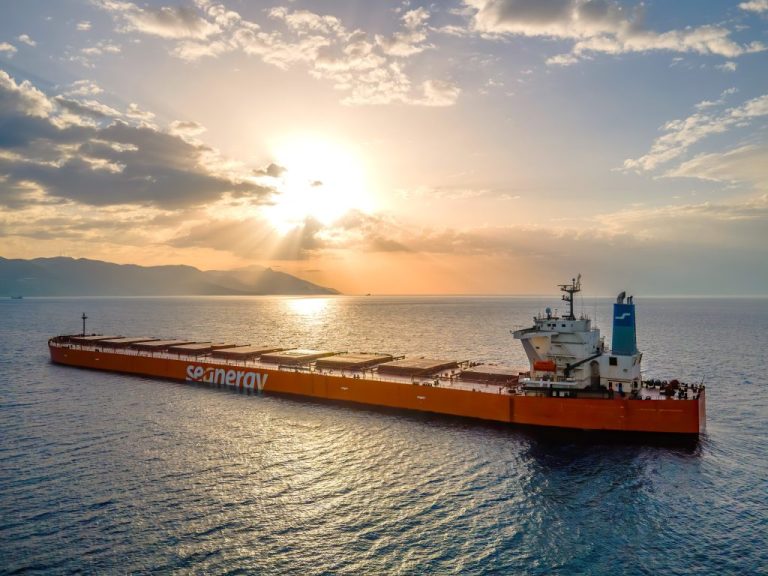
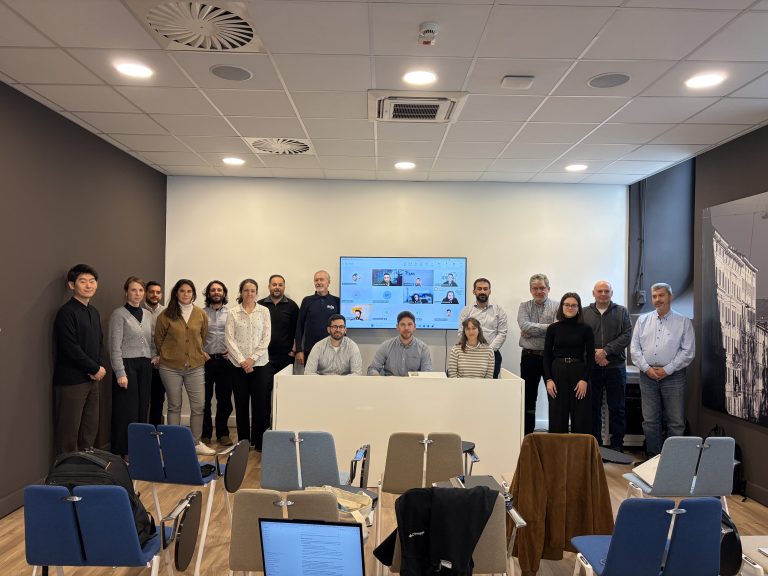
SAFeCRAFT recently joined forces with LH2CRAFT in a dedicated joint safety workshop led by the University of Strathclyde, bringing together partners from both projects to exchange knowledge and strengthen collaboration on safety assessment methodologies for sustainable maritime fuel systems.
The workshop provided a valuable opportunity to explore structured approaches for identifying and assessing risks linked to the integration of innovative onboard fuel technologies. Discussions focused on key safety assessment methods, including Hazard and Operability Study and Failure Mode and Effects Analysis, supporting a systematic examination of hazards, operational deviations, failure scenarios, and mitigation measures.
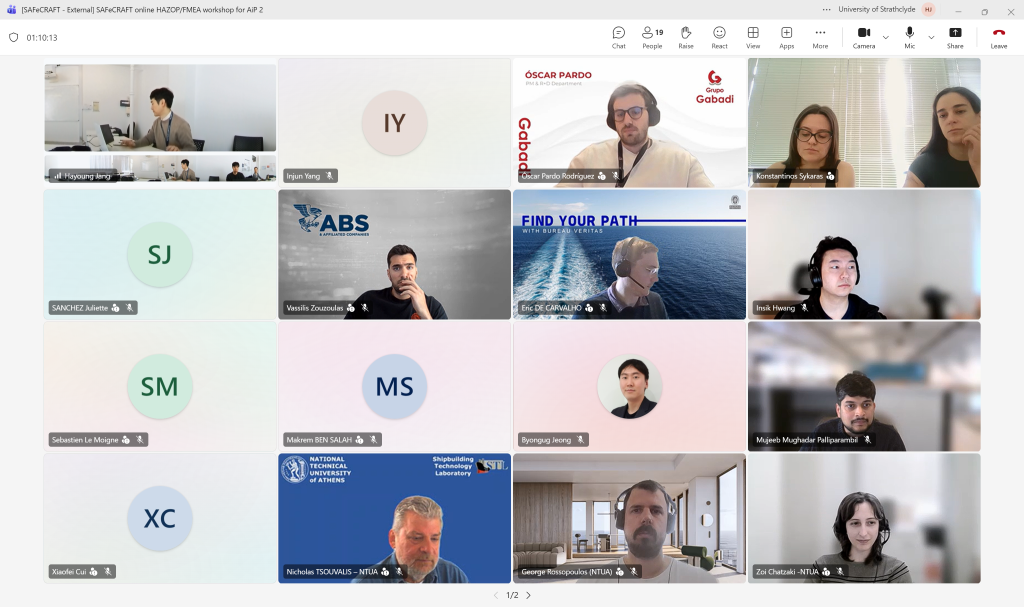
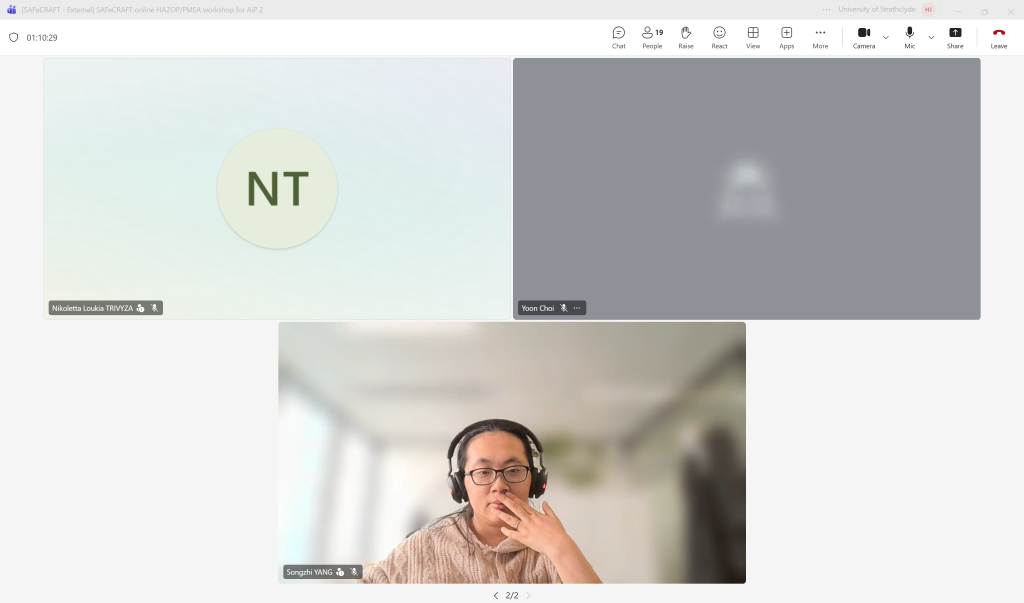
For SAFeCRAFT, the event contributed directly to the project’s wider objective of advancing safe and reliable solutions for the use of sustainable alternative fuels in shipping. By engaging with LH2CRAFT partners, the workshop enabled cross-project learning on safety-critical aspects of hydrogen-based maritime applications, including bunkering arrangements, tank connection spaces, gas valve units, hydrogen burning areas, ventilation systems, and supporting safety infrastructure.
The joint activity demonstrated the importance of collaboration between European research and innovation initiatives working towards cleaner, safer, and more resilient maritime transport. It also highlighted the value of combining complementary expertise in risk assessment, system integration, maritime engineering, and alternative fuel safety.
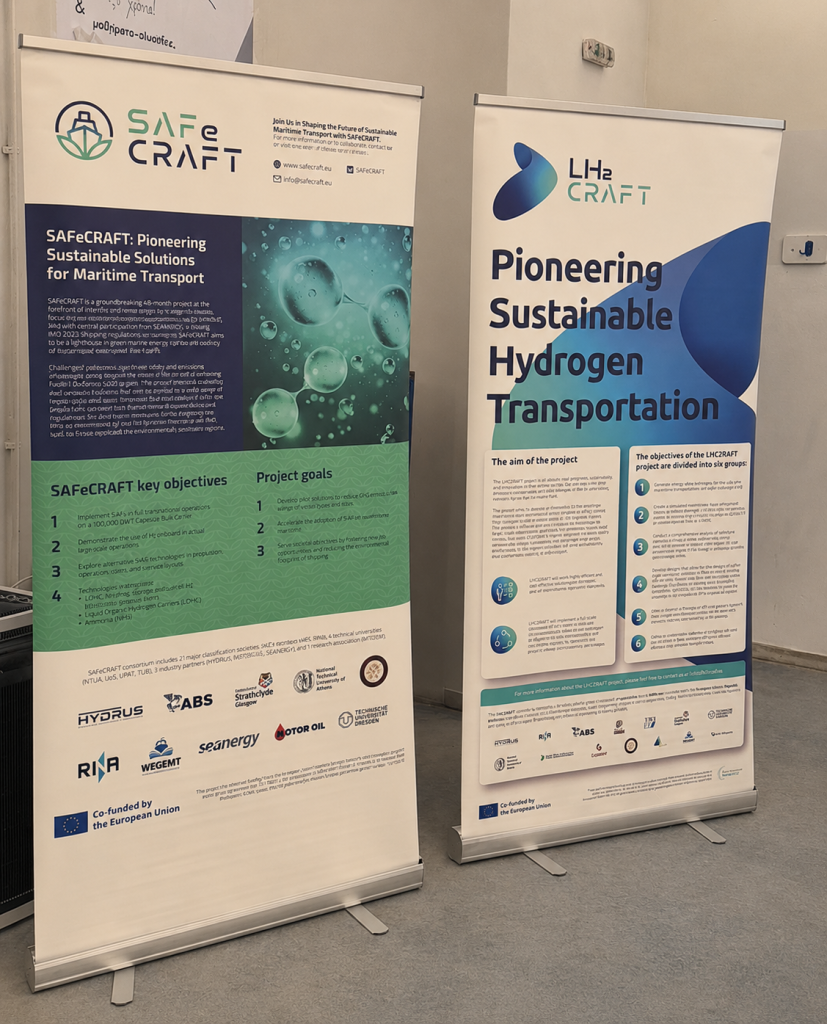
Led by the University of Strathclyde, the workshop created a focused space for technical exchange and practical discussion, reinforcing SAFeCRAFT’s commitment to safety, innovation, and cooperation as essential pillars of the transition towards zero-emission shipping.