SAFeCRAFT has taken an important step in supporting the safe integration of alternative fuel systems in maritime transport through its preliminary risk evaluation activities.
Under Task 7.2, led by the School of Naval Architecture and Marine Engineering-NTUA, the project examined key potential hazards linked to sustainable alternative fuels, including ammonia, liquid and compressed hydrogen, and liquid organic hydrogen carriers (LOHCs). This work helps ensure that safety is considered from the earliest stages of vessel design.
A major part of the activity focused on the project demonstrator, a bulk carrier powered by compressed hydrogen gas. To support a structured hazard identification process, the system was divided into six key nodes: the Bunkering Station, Fuel Storage, Fuel Supply Unit, Hydrogen Generator Set (Hydro Genset), Gas and Vent System, and Power Take-In/Power Take-Out Systems.
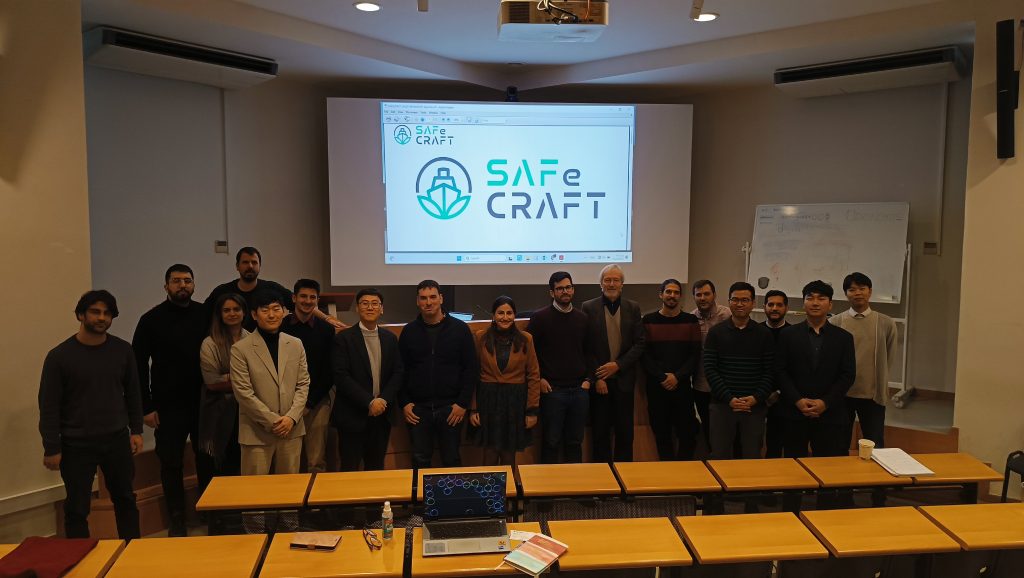
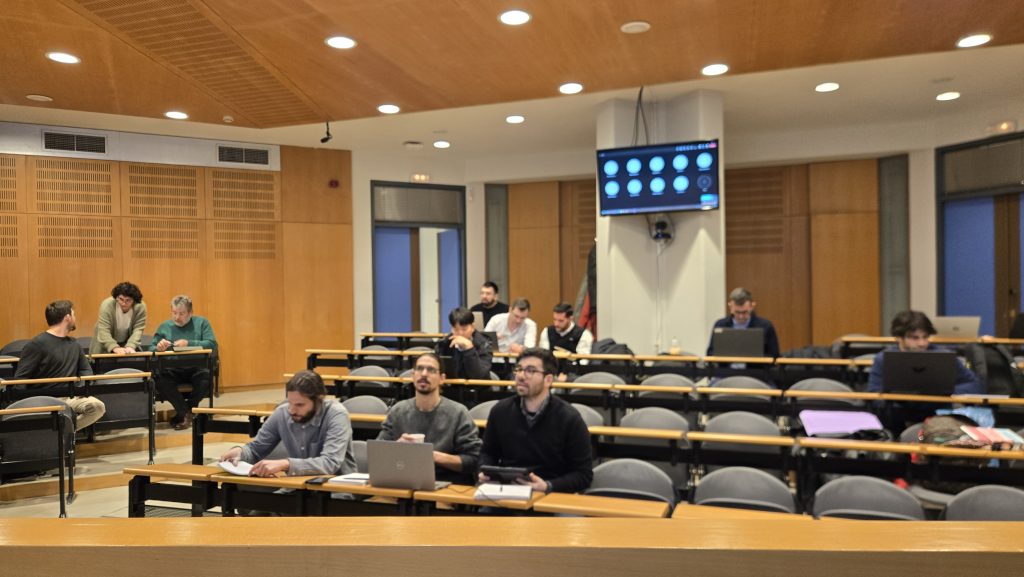
During the project’s HAZID workshop in Athens, hosted by the School of Naval Architecture and Marine Engineering of NTUA and led by the University of Strathclyde, consortium partners worked together to identify potential hazards, assess their causes and consequences, and review the safeguards required for safe operation. The process resulted in the identification of around 205 hazards, together with additional mitigation measures and design improvements to further enhance safety.
The outcomes of this work will feed into the project’s final preliminary risk evaluation report and provide valuable input to the ongoing design development of the demonstrator. By translating risk findings into practical design recommendations, SAFeCRAFT is contributing to safer shipboard and port-side operations for next-generation fuel systems.
Through this work, SAFeCRAFT is reinforcing its commitment to enabling the safe and practical adoption of sustainable alternative fuels in maritime transport, supporting the sector’s transition towards cleaner and more resilient shipping.